
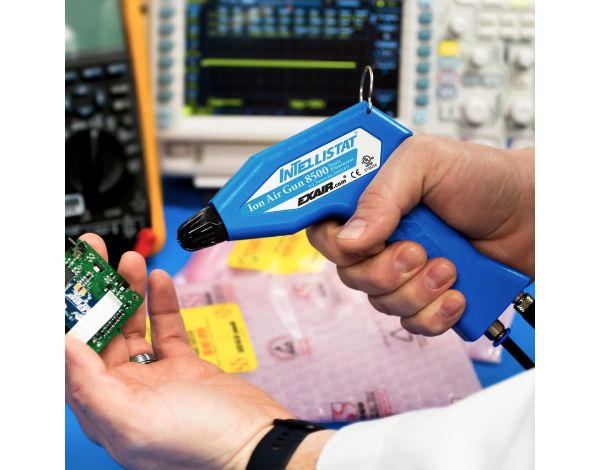
In the fast-paced world of electronics manufacturing, static electricity can be a significant nuisance, causing product defects, damage to sensitive components, and costly downtime. A recent breakthrough in static elimination technology, the new Ion Air Gun, promises to transform the manufacturing landscape by effectively neutralizing static charges, thereby enhancing product quality and operational efficiency.
Understanding the Challenge of Static Electricity
Static electricity is a common phenomenon in electronics manufacturing, where materials and processes often lead to the buildup of electrical charges. This can result in electrostatic discharge (ESD), which poses serious risks to delicate electronic components such as circuit boards, semiconductors, and sensors. ESD can lead to malfunction, data loss, or complete failure of electronic devices, making it imperative for manufacturers to implement effective static control measures.
Traditional methods of static elimination, such as grounding and using ionizing bars, have had varying levels of success. However, these methods often require complex setups and maintenance, limiting their effectiveness in dynamic manufacturing environments.
Introducing the Ion Air Gun
The Ion Air Gun is an innovative tool designed to provide a simple yet effective solution for static elimination in electronics manufacturing. Utilizing ionized air technology, the gun generates a stream of ionized air that neutralizes static charges on surfaces and components without physical contact. This method ensures that sensitive parts remain unharmed while effectively dissipating static electricity.
Key Features and Benefits
- Ease of Use: The Ion Air Gun is lightweight, portable, and easy to operate. Its ergonomic design allows operators to maneuver the gun effortlessly around production lines, making it a practical tool for busy manufacturing environments.
- Quick and Effective Static Elimination: The ionized air produced by the gun quickly neutralizes static charges, ensuring that components are free from ESD risk before assembly or packaging. This rapid action helps reduce the potential for defects and returns.
- Versatility: The Ion Air Gun is suitable for a wide range of applications within electronics manufacturing, from cleaning components to preparing surfaces for assembly. Its versatility makes it an essential tool in various manufacturing processes.
- Reduced Downtime: By minimizing static-related issues, the Ion Air Gun helps manufacturers reduce downtime associated with rework or equipment failure. This leads to improved productivity and overall efficiency.
- Cost-Effective Solution: Implementing the Ion Air Gun can significantly reduce the costs associated with static-related damage and product failures. The long-term savings and improved product quality can contribute to a stronger bottom line for manufacturers.
Industry Response and Future Implications
Early adopters of the Ion Air Gun have reported positive results, praising its effectiveness in reducing static issues and enhancing manufacturing processes. Feedback from operators highlights the ease of integration into existing workflows, with many noting a marked improvement in product quality and a reduction in returns due to ESD-related failures.
As the demand for electronics continues to grow, the need for effective static control measures becomes increasingly critical. The introduction of the Ion Air Gun represents a significant advancement in addressing this challenge, with the potential to become a standard tool in the industry.
Conclusion
The new Ion Air Gun stands out as a groundbreaking solution for eliminating static electricity in electronics manufacturing. Its ease of use, rapid action, and versatility make it an invaluable asset for manufacturers seeking to enhance product quality and operational efficiency.
As the electronics industry continues to evolve, the adoption of innovative tools like the Ion Air Gun will play a crucial role in ensuring that manufacturers can meet the growing demands for reliability and performance in their products. By effectively managing static electricity, manufacturers can not only improve their processes but also deliver superior electronic devices that meet the high standards of today’s consumers.