
Hanwha Azdel: Redefining Lightweight Strength
Introduction
Ever wonder how some materials can be incredibly strong yet surprisingly light? Think about it – the difference between lugging around a metal toolbox versus one made of a modern composite. The latter feels like a feather in comparison, yet can handle almost the same beating. That’s the magic of advanced materials, and right at the forefront of this revolution is Hanwha Azdel.
Forget the heavy, bulky materials of the past. We’re entering an era where strength doesn’t have to mean weight, and where performance doesn’t come at the expense of efficiency. Hanwha Azdel is leading the charge, offering a compelling alternative to traditional materials across a diverse range of industries.
But why is this shift so crucial? What problems are we trying to solve with these lightweight, high-strength solutions, and what impact will it have on our future? Let’s dive in.
The Burden of Bulk: Why Lightweighting Matters
For years, industries have relied on heavy materials like steel and aluminum for their inherent strength and durability. However, this reliance comes with significant drawbacks, both in the short-term and long-term.
- Short-Term Pain: The most immediate consequence is increased weight. In the automotive industry, heavier vehicles translate directly to lower fuel efficiency and higher emissions. In construction, heavier materials require more manpower and equipment for installation, driving up costs. In transportation, heavier cargo loads mean higher fuel consumption and increased wear and tear on vehicles.
- Long-Term Consequences: The heavier the materials we use, the greater our dependence on fossil fuels and the bigger our carbon footprint. Think about the environmental impact of transporting heavy goods around the globe, or the resources needed to manufacture and recycle traditional metals. Heavier structures also require more robust foundations, consuming more resources and further impacting the environment.
Beyond the environmental aspect, heavy materials also present challenges in terms of design and innovation. Their weight and bulkiness limit design possibilities, hindering the development of new and more efficient products. The future demands lighter, stronger, and more sustainable materials that can meet the evolving needs of a rapidly changing world.
Hanwha Azdel: The Lightweight Champion
This is where Hanwha Azdel steps in. It’s not just about making things lighter; it’s about revolutionizing how we build and design. Hanwha Azdel is a thermoplastic composite material renowned for its exceptional strength-to-weight ratio, design flexibility, and durability. It’s a blend of polypropylene reinforced with glass fibers, creating a robust yet surprisingly lightweight material.
But what does that actually mean in practical terms? How does Hanwha Azdel solve the problems associated with traditional materials? Let’s explore some real-world examples and alternative solutions:
Practical Solutions and Approaches
- Automotive Revolution: One of the most significant applications of Hanwha Azdel is in the automotive industry. By replacing heavier steel components with Azdel composite parts, manufacturers can significantly reduce vehicle weight, leading to improved fuel efficiency and reduced emissions.
- Example: Replacing the spare tire well in a car with an Azdel composite part can save several kilograms of weight. While this may seem insignificant, multiply that across hundreds of components, and the weight savings become substantial.
- Alternative Approach: Another solution is to use other lightweight materials such as carbon fiber composites for specific components, but Hanwha Azdel provides a cost-effective alternative that offers a good balance of performance and affordability.
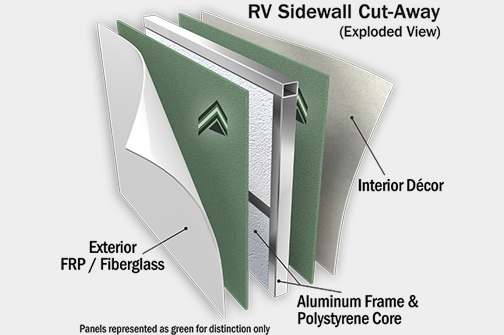
- Boosting Building and Construction: In the construction industry, Hanwha Azdel offers a lightweight and durable alternative to traditional materials like plywood and metal. Its resistance to moisture, corrosion, and impact makes it ideal for various applications.
- Example: Azdel can be used to create lightweight panels for walls, roofing, and flooring. These panels are easier to install, reducing labor costs and construction time. Their durability ensures long-term performance with minimal maintenance.
- Alternative Approach: Wood-plastic composites (WPCs) are another alternative for outdoor construction. However, Azdel offers superior strength and impact resistance, making it a better choice for structural applications.
- Transforming Transportation: The transportation sector benefits immensely from the lightweight properties of Hanwha Azdel. Replacing heavier materials in truck bodies, train interiors, and aircraft components reduces weight, increasing fuel efficiency and payload capacity.
- Example: Using Azdel composite panels for the interior of a train car can significantly reduce the overall weight, leading to lower energy consumption and improved performance.
- Alternative Approach: Aluminum alloys are often used in the transportation industry for their lightweight properties. However, Azdel provides a higher strength-to-weight ratio, enabling further weight reduction.
- Industrial Applications: Beyond these sectors, Hanwha Azdel finds applications in diverse industrial settings, from manufacturing equipment to storage containers. Its durability, chemical resistance, and ease of processing make it a versatile material for various applications.
- Example: Azdel can be used to create lightweight and durable pallets for transporting goods. These pallets are resistant to moisture, impact, and chemicals, ensuring safe and efficient handling.
- Alternative Approach: Traditional wood or plastic pallets are commonly used in the industry, but Azdel offers a longer lifespan and requires less maintenance, providing a more sustainable solution.
Choosing the Right Approach
The beauty of Hanwha Azdel lies in its adaptability. It’s not a one-size-fits-all solution, but rather a versatile material that can be tailored to meet specific needs. When considering incorporating Azdel into your project, consider the following factors:
- Performance Requirements: What level of strength, stiffness, and durability is required for the application?
- Weight Savings: How much weight reduction is desired?
- Cost Considerations: How does Azdel compare to alternative materials in terms of cost?
- Environmental Impact: What is the overall environmental footprint of the material, including manufacturing, transportation, and end-of-life disposal?
By carefully evaluating these factors, you can determine whether Hanwha Azdel is the right choice for your specific application. Remember, there are always alternative solutions available, but Azdel offers a compelling combination of performance, cost-effectiveness, and sustainability.
Looking Ahead: A Lighter, Stronger Future
Hanwha Azdel is more than just a material; it’s a symbol of innovation and progress. By embracing lightweight, high-strength solutions, we can build a more sustainable and efficient future. The potential benefits are immense, from reduced emissions and lower energy consumption to improved product performance and enhanced design possibilities.
The shift towards lightweighting is not just a trend; it’s a necessity. As industries continue to evolve and face new challenges, the demand for innovative materials like Hanwha Azdel will only increase. It’s time to think differently about how we build, design, and transport things. Let’s embrace the power of lightweight strength and create a better future for ourselves and the planet.
Take the first step today. Explore the possibilities of Hanwha Azdel and discover how it can transform your products and processes. The future is lighter, stronger, and more sustainable, and it’s within our reach.