
“`html
Cleburne’s Coal Dust Legacy: Power, Poverty, and Pollution
Introduction
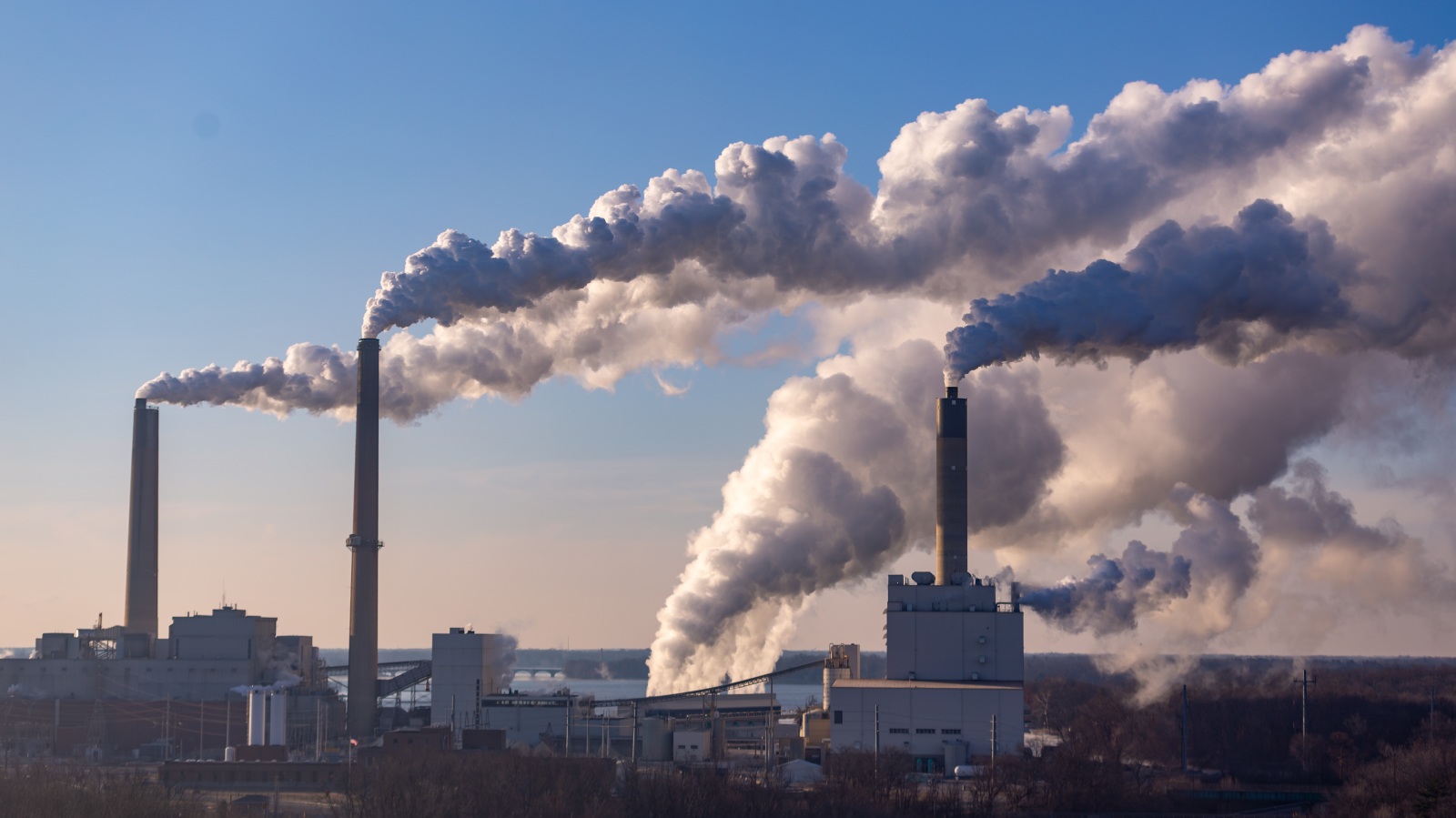
Imagine a town cloaked in a perpetual haze, where the air stings your nostrils and a fine, black dust settles on everything – your windowsills, your car, even your lungs. This isn’t a scene from a dystopian movie; it’s a reality lived by many in Cleburne, Texas, a town grappling with the complex legacy of coal dust. But how did a seemingly vital source of energy leave such a lasting and problematic mark? And more importantly, what can be done about it?
Explanation of the Problem
For decades, coal-fired power plants have been a cornerstone of American energy production, powering homes and industries while providing jobs for local communities. Cleburne was no different. The promise of affordable electricity and economic stability lured many to the area, and the plant became a significant employer. However, this progress came at a cost – a cost measured in respiratory illnesses, compromised property values, and a persistent feeling of being overlooked.
Coal dust, the fine particulate matter released during the handling and combustion of coal, isn’t just a nuisance; it’s a health hazard. Short-term exposure can lead to coughing, shortness of breath, and aggravated asthma. But the long-term effects are far more sinister. Studies have linked prolonged exposure to coal dust to chronic bronchitis, emphysema, and even lung cancer. Children, the elderly, and those with pre-existing respiratory conditions are particularly vulnerable.
Beyond the immediate health risks, the pervasive presence of coal dust has eroded the quality of life for many in Cleburne. Homes require constant cleaning, gardens struggle to thrive, and outdoor activities are often curtailed. Property values have stagnated, leaving residents feeling trapped in a community where their investment isn’t secure.
The challenge facing Cleburne, and countless other communities across the nation, is multifaceted. How do you balance the need for affordable energy with the imperative to protect public health and the environment? How do you hold polluters accountable while supporting the economic well-being of the community? The answers aren’t simple, but they are within reach.
Solutions
Fortunately, several practical and applicable solutions can help mitigate the negative impacts of coal dust pollution.
- Enhanced Dust Suppression Measures:
This is arguably the most immediate and effective solution. Power plants can invest in improved dust suppression technologies, such as enclosed conveyor systems, water spray systems, and wind barriers.
Example: Consider the case of a coal terminal in British Columbia, Canada. By implementing a comprehensive dust management plan that included covered storage facilities, real-time air quality monitoring, and regular street cleaning, they significantly reduced fugitive dust emissions and improved air quality in the surrounding community.
- Stricter Regulatory Oversight and Enforcement:
Federal and state environmental agencies need to strengthen regulations regarding coal dust emissions and implement rigorous monitoring and enforcement mechanisms. This includes regular inspections, hefty fines for violations, and a commitment to transparency and public accountability.
Example: The Environmental Protection Agency (EPA) in the United States has the authority to set national standards for air pollutants, including particulate matter. By strengthening these standards and providing states with the resources to enforce them, the EPA can play a crucial role in reducing coal dust pollution.
- Transition to Cleaner Energy Sources:
The long-term solution lies in a gradual but decisive transition to cleaner, more sustainable energy sources. Investing in renewable energy technologies like solar, wind, and geothermal can not only reduce air pollution but also create new economic opportunities.
Example: Germany’s “Energiewende” (energy transition) is a prime example of a successful shift towards renewable energy. By investing heavily in solar and wind power, Germany has significantly reduced its reliance on coal and other fossil fuels, while simultaneously creating new jobs in the clean energy sector.
- Community-Based Air Quality Monitoring:
Empowering local communities to monitor air quality can provide valuable data and increase awareness about pollution levels. This can involve establishing community air monitoring networks, training local residents to collect and analyze data, and making the information publicly available.
Example: Several non-profit organizations are working to establish citizen science air monitoring programs in communities affected by pollution. These programs allow residents to actively participate in data collection and analysis, empowering them to advocate for cleaner air.
- Health and Social Support Programs:
Communities impacted by coal dust pollution need access to comprehensive health and social support programs. This includes affordable healthcare, respiratory therapy, and education about the health risks associated with coal dust exposure.
Example: Establishing mobile health clinics that provide free or low-cost healthcare services to residents in affected communities can significantly improve access to care and address the health impacts of coal dust pollution.
- Economic Diversification Initiatives:
To reduce the economic reliance on coal-fired power plants, communities need to diversify their economies. This can involve attracting new businesses, supporting local entrepreneurs, and investing in workforce development programs that prepare residents for jobs in emerging industries.
Example: Several former coal mining towns in Appalachia are successfully transitioning to new economies by investing in tourism, outdoor recreation, and renewable energy industries.
Choosing the right approach will depend on the specific circumstances of each community. A combination of these strategies, tailored to the local context, is often the most effective way to address the challenges of coal dust pollution.
Conclusion
Cleburne’s experience, while challenging, also serves as a powerful reminder that change is possible. By embracing innovation, fostering community engagement, and demanding accountability, we can move towards a future where clean air and economic prosperity coexist. The journey won’t be easy, but the destination – a healthier, more vibrant community for all – is worth striving for. Don’t let the dust settle on this issue. Take action, get involved, and be a part of the solution. Your community, and your lungs, will thank you.
“`