
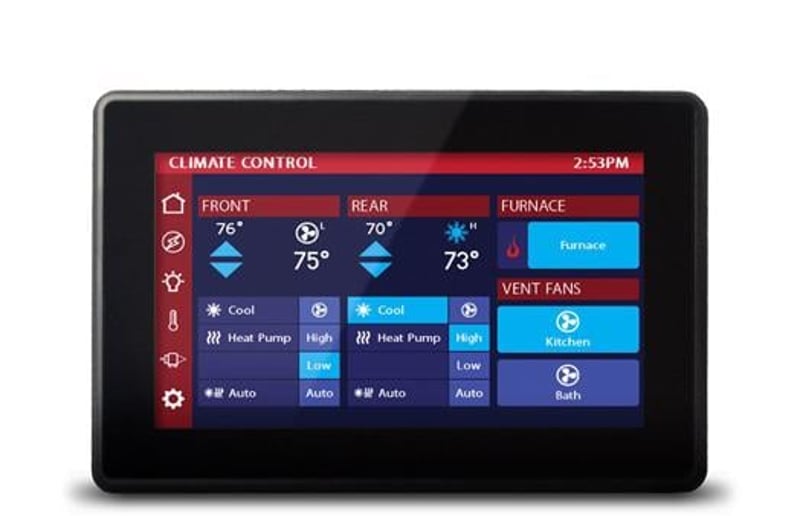
Firefly RV: Control Your Adventure
Introduction
Ever dreamt of hitting the open road in your RV, the sun on your face, and the wind in your hair… only to be greeted by a symphony of beeps, flickering lights, and a control panel that looks like it belongs on the Starship Enterprise? Yeah, we’ve all been there. The promise of freedom quickly morphs into frustration when your RV’s systems seem to have a mind of their own.
The truth is, modern RVs are marvels of engineering, packing an incredible amount of technology into a relatively small space. But this technology, while convenient, can also be overwhelming. Managing power consumption, monitoring tank levels, controlling lighting, and regulating the climate can feel like a constant juggling act. And let’s be honest, nobody wants to spend their vacation glued to a control panel.
Explanation of the Problem: More Than Just a Headache
The issue of RV control goes deeper than just a minor inconvenience. In the short term, a poorly managed RV can lead to a lot of headaches:
- Wasted Energy: Leaving lights on unnecessarily or running the AC when it’s not needed drains your batteries and wastes valuable propane.
- Unexpected Downtime: Running out of water in the middle of nowhere or experiencing electrical issues due to overload can bring your adventure to a screeching halt.
- General Frustration: The constant need to monitor and adjust systems takes away from the joy of RV travel.
But the long-term impacts are even more significant:
- Battery Degradation: Over-discharging your batteries regularly significantly reduces their lifespan, leading to costly replacements.
- Appliance Damage: Power surges or voltage fluctuations can damage sensitive electronic appliances, like your refrigerator, TV, or even the RV’s control systems.
- Diminished Resale Value: A poorly maintained RV, with obvious signs of neglect due to uncontrolled systems, will fetch a lower price when you decide to upgrade.
- Environmental Impact: Wasting resources like water and propane contributes to a larger environmental footprint, impacting the sustainability of RV travel.
In essence, not taking control of your RV’s systems can turn your dream adventure into a costly and frustrating experience. But fear not, there are solutions!
Solutions
Solution 1: Embracing the Digital Age – Smart RV Systems
One of the most effective ways to take control is to invest in a smart RV system. These systems offer a centralized platform to monitor and manage all aspects of your RV’s operation. Think of it as a smart home, but on wheels.
- Key Features: Real-time monitoring of tank levels (fresh, grey, and black), battery voltage, power consumption, temperature, and more. Remote control of lights, appliances, and climate control via a smartphone app. Automated alerts and notifications for critical events, such as low battery voltage or full tanks.
- Example: The Firefly Integrations system, for instance, allows you to monitor and control various aspects of your RV from a single touchscreen or mobile app. You can remotely turn on the air conditioning before you arrive, check your tank levels while hiking, and even receive alerts if your battery voltage drops too low.
- Benefits: Increased convenience, reduced energy consumption, improved battery life, and peace of mind knowing that you have complete control over your RV’s systems.
Solution 2: Back to Basics – Mastering Manual Monitoring
For those who prefer a more hands-on approach, mastering the art of manual monitoring can be equally effective. This involves understanding your RV’s systems and developing a routine for checking and adjusting them.
- Key Practices: Regularly inspecting tank levels, using a voltmeter to check battery voltage, tracking power consumption, and adjusting thermostat settings as needed. Creating a checklist for pre-trip inspections and post-trip maintenance. Learning to troubleshoot common RV issues.
- Example: Develop a habit of checking your battery voltage every morning and evening. A consistently low voltage could indicate a problem with your charging system or excessive power consumption. Similarly, regularly checking your tank levels can help you avoid running out of water or overflowing your holding tanks.
- Benefits: Greater understanding of your RV’s systems, increased self-reliance, and the satisfaction of being in complete control.
Solution 3: The Hybrid Approach – Balancing Tech and Tradition
Perhaps the best solution lies in a hybrid approach that combines the convenience of smart technology with the reliability of manual monitoring. This involves using smart systems for the most critical functions, while still maintaining a basic understanding of your RV’s operations.
- Implementation: Use a smart system to monitor battery voltage and tank levels, while manually controlling lighting and climate. Invest in a basic voltmeter and learn to troubleshoot common electrical issues. Combine digital alerts with regular visual inspections.
- Example: Install a smart battery monitor that sends alerts when your battery voltage drops below a certain threshold. But also, learn how to manually check the water level in your battery cells and add distilled water as needed.
- Benefits: The best of both worlds – convenience and control, technology and tradition.
Choosing the Right Approach
The best solution for you will depend on your individual needs, preferences, and budget. Consider the following factors when making your decision:
- Budget: Smart RV systems can be a significant investment. Manual monitoring requires minimal upfront cost.
- Technical Expertise: If you’re comfortable with technology, a smart system might be a good fit. If you prefer a more hands-on approach, manual monitoring might be better.
- Travel Style: If you travel frequently and for extended periods, a smart system can provide valuable peace of mind. If you only travel occasionally, manual monitoring might be sufficient.
Case Study: From Chaos to Control
Consider the story of the Johnson family, who initially struggled to manage their RV’s systems. They were constantly running out of water, draining their batteries, and dealing with minor electrical issues. After installing a smart RV system, they were able to monitor their usage in real-time, automate certain tasks, and receive alerts when problems arose. This not only saved them money on energy and repairs but also allowed them to spend more time enjoying their adventures.
Conclusion
Controlling your RV’s systems doesn’t have to be a chore. It’s an investment in your enjoyment, your RV’s longevity, and the overall experience of hitting the open road. Whether you choose to embrace smart technology, master manual monitoring, or strike a balance between the two, taking control is the first step towards unlocking the true freedom of RV travel.
The power is in your hands. Don’t let your RV control you – take control of your adventure. Embrace the possibilities, learn the systems, and enjoy the journey. The open road awaits!