
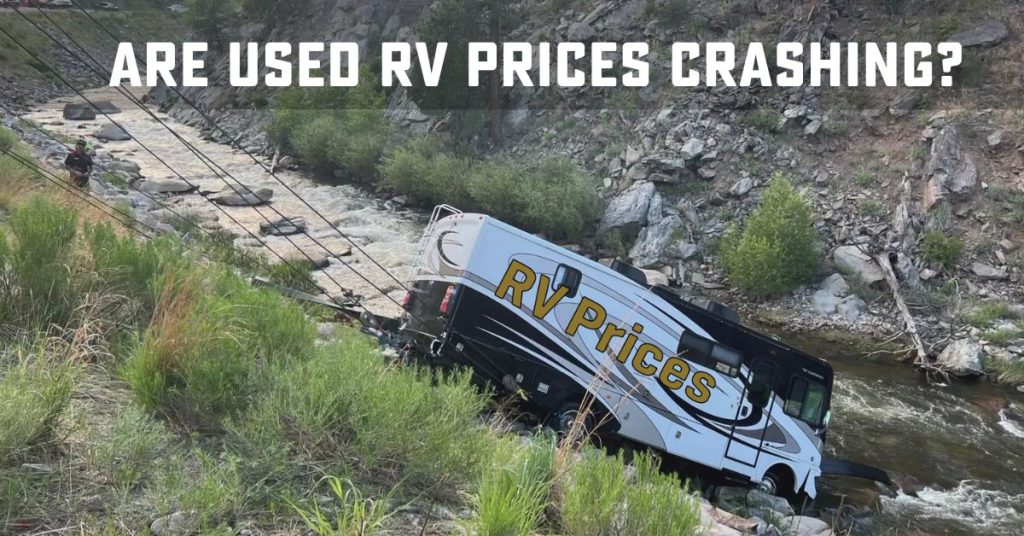
RV Values:The Crash is Coming
Introduction
Remember the pandemic RV boom? Seems like a lifetime ago, doesn’t it? Suddenly, everyone and their dog wanted a slice of the open road, fueled by wanderlust and a desperate need for escape. RV dealerships were clearing lots faster than you could say “road trip,” and used RVs were fetching prices that made seasoned travelers choke on their campfire coffee.
But just like that idyllic campsite view can disappear behind a sudden storm cloud, the RV market is facing a looming reality check. The gravy train is slowing, and all signs point to a significant correction in RV values – a crash, if you will. So, buckle up, fellow adventurers, because we’re diving into what’s happening, why it’s happening, and, most importantly, what you can do about it.
The Perfect Storm:Why the Boom Went Bust
Several factors converged to create the RV frenzy of 2020-2022. Lockdowns and travel restrictions fueled a desire for self-contained vacations. Low interest rates made financing readily available. And, let’s face it, the idea of “social distancing” in your own rolling home had a certain appeal.
However, that perfect storm has dissipated. Here’s a breakdown of the contributing factors to the impending value correction:
- Increased Inventory: Manufacturers ramped up production to meet the soaring demand, leading to a glut of new RVs on dealer lots. As new inventory accumulates, the pressure on used RV prices will increase.
- Rising Interest Rates: The Federal Reserve’s efforts to combat inflation have resulted in significantly higher interest rates. This makes financing an RV considerably more expensive, dampening demand and cooling the market.
- Economic Uncertainty: Fears of recession and general economic instability are making consumers more cautious about large purchases like RVs. People are less likely to invest in recreational vehicles when they’re worried about job security and household budgets.
- Return to “Normal” Travel: As travel restrictions eased and the world reopened, many people returned to traditional vacation options like cruises, international trips, and theme parks. This shift away from RV travel further reduces demand.
Short-Term Pain,Long-Term Implications
The immediate impact of the RV value correction will be felt by those who purchased RVs at peak prices during the boom. These owners may find themselves “upside down” on their loans, owing more than the RV is currently worth. This situation can be particularly challenging for those looking to upgrade or sell their RV in the near future.
The short-term effects also extend to the RV industry itself. Dealers may struggle to move inventory, leading to potential price cuts and reduced profits. Manufacturers might face production slowdowns and workforce reductions.
Looking further down the road, the long-term implications could include:
- A More Stable RV Market: Once the correction runs its course, the RV market is likely to return to a more sustainable and predictable level. This will benefit both buyers and sellers by creating a fairer and more transparent marketplace.
- Increased Focus on Quality and Innovation: A less frenzied market will likely drive manufacturers to focus on improving the quality and features of their RVs to attract buyers.
- Opportunities for Savvy Buyers: As prices decline, potential RV buyers will have more negotiating power and the opportunity to acquire high-quality RVs at significantly reduced prices.
Navigating the Correction:Strategies for RV Owners and Buyers
So, what can you do to weather this storm? Whether you’re an RV owner or a prospective buyer, here are some practical strategies to consider:
For Current RV Owners:
- Hold On, If Possible: If you’re not in a hurry to sell, the best strategy might be to simply ride out the correction. The RV market will eventually stabilize, and values will likely rebound over time. Enjoy your RV, create memories, and let the market do its thing.
- Consider Renting Out Your RV: Platforms like RVshare and Outdoorsy allow you to rent out your RV to other travelers. This can help offset your ownership costs and potentially generate income while you wait for the market to recover.
- Case Study: John, a retired teacher, purchased a Class C RV in 2021. Faced with declining values, he decided to list his RV on RVshare. He now earns an average of $1,500 per month during the peak season, significantly reducing his loan payments.
- Refinance Your Loan: If interest rates have dropped since you purchased your RV, consider refinancing your loan to secure a lower rate. This can reduce your monthly payments and save you money over the long term.
- Prepare for a Trade-In: If you’re planning to trade in your RV, be realistic about its current value. Get multiple appraisals from different dealerships to get a sense of the market. Be prepared to negotiate and potentially offer a cash down payment to offset any negative equity.
- Focus on Maintenance and Upgrades: Maintaining your RV in excellent condition can help preserve its value. Address any repairs promptly and consider making strategic upgrades that enhance its appeal to potential buyers.
For Prospective RV Buyers:
- Patience is Key: Now is the time to exercise patience. As inventory increases and prices decline, you’ll have more opportunities to find a great deal on an RV.
- Do Your Research: Thoroughly research different RV models and features to determine which one best suits your needs and budget. Read reviews, compare prices, and visit dealerships to inspect RVs in person.
- Negotiate Aggressively: Don’t be afraid to negotiate the price of an RV. Dealers are likely to be more willing to offer discounts and incentives to move inventory.
- Consider Buying Used: A used RV can be an excellent value, especially during a market correction. Inspect used RVs carefully for any signs of damage or wear and tear. Consider having a professional RV inspection before making a purchase.
- Secure Financing in Advance: Get pre-approved for an RV loan before you start shopping. This will give you a clear understanding of your budget and negotiating power.
Alternative Approaches and Considerations:
- Buying at Auction: RV auctions can be a source of deeply discounted RVs. However, exercise caution and thoroughly inspect any RV before bidding.
- Private Sales: Private sales can offer opportunities for negotiation, but be sure to verify the seller’s ownership and thoroughly inspect the RV.
- RV Clubs and Communities: Joining an RV club or online community can provide valuable insights and resources for navigating the RV market.
Conclusion:The Road Ahead
While the impending RV value correction may seem daunting, it also presents opportunities. For current owners, it’s a reminder to enjoy the journey and consider strategies to mitigate potential losses. For prospective buyers, it’s a chance to enter the RV lifestyle at a more affordable price point.
The RV market is cyclical, and the current correction is a natural part of that cycle. By understanding the factors at play and taking proactive steps, you can navigate this period successfully. Remember, the open road is still out there, waiting to be explored. With careful planning and a bit of patience, you can be prepared and ready to embrace the adventure, whatever the market throws your way. Now is the time to start preparing, researching, and positioning yourself to take advantage of the changing landscape. Happy travels!