
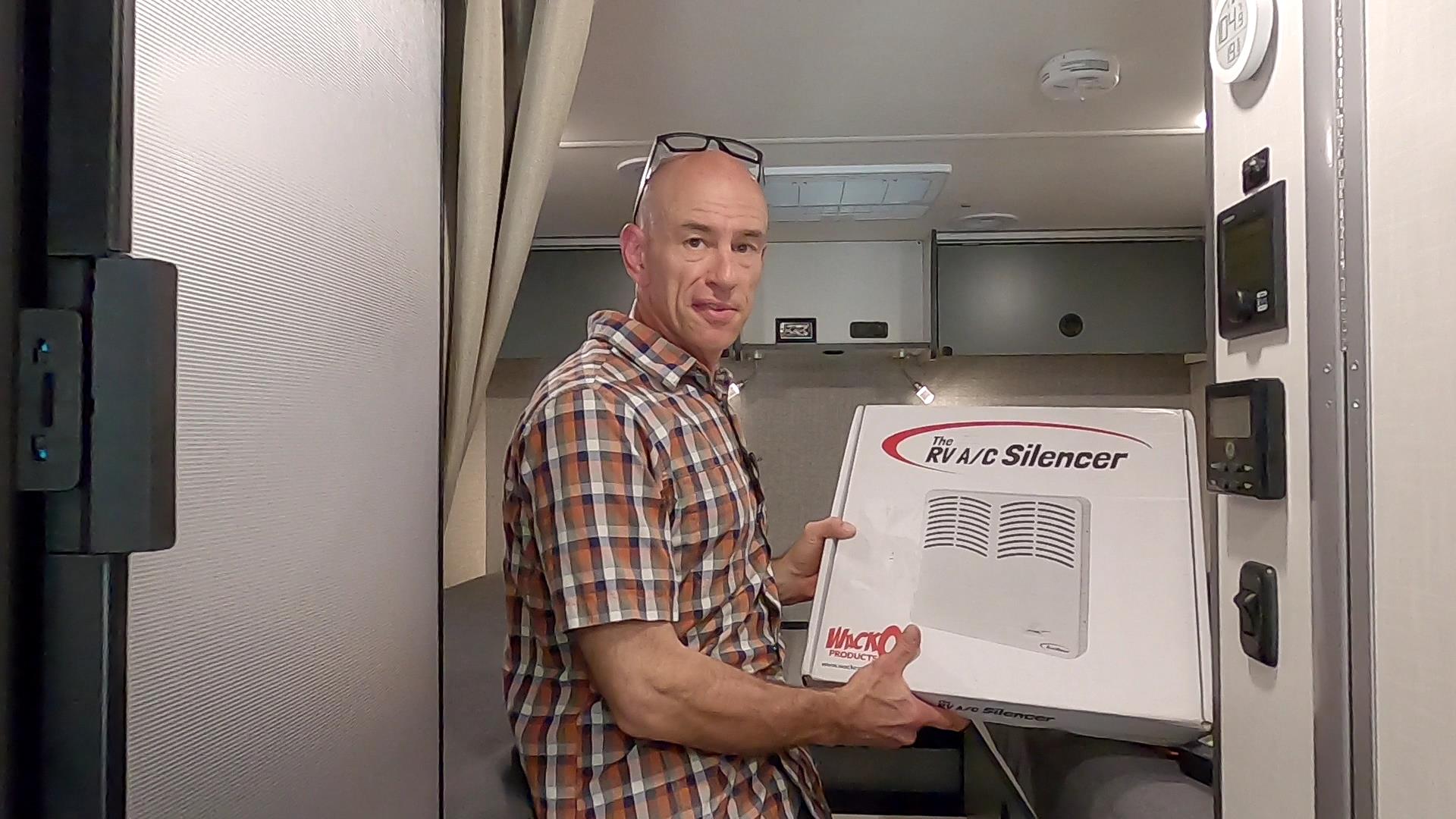
Silent RV AC: Finally, Peace on the Road
Introduction
Picture this: You’re nestled in a breathtaking campsite, surrounded by towering pines and the gentle murmur of a nearby stream. The sun is setting, painting the sky in hues of orange and purple. Perfection, right? Except for that incessant, teeth-gritting *whirr* and *clunk* of your RV air conditioner battling the summer heat.
If that scenario resonates with you, you’re not alone. The cacophony of a standard RV AC unit is a common complaint among road warriors, often transforming a dream vacation into a noisy nightmare. It’s the kind of noise that burrows into your brain, making it hard to relax, sleep, or even carry on a conversation. It’s a far cry from the tranquil escape we crave when we hit the open road.
But what if I told you that peace and quiet on the road are attainable? That you could enjoy the cool comfort of air conditioning without the disruptive soundtrack? This isn’t some far-fetched dream; it’s a reality achievable through a variety of practical solutions and innovative technologies.
The Noise: A Short-Term Annoyance, a Long-Term Problem
The immediate impact of a noisy RV AC is obvious: it’s annoying. It disrupts sleep, strains conversations, and generally detracts from the overall RV experience. But the long-term effects are often underestimated.
Think about it:
- Strained Relationships: Constant noise can lead to irritability and tension among travel companions. Trying to watch a movie over the drone of the AC can spark more arguments than plot discussions.
- Sleep Deprivation: Poor sleep quality affects everything from your mood and cognitive function to your physical health and driving ability. Waking up multiple times a night due to the AC cycling on and off can lead to exhaustion and a compromised travel experience.
- Reduced Resale Value: A consistently noisy AC unit is a red flag for potential buyers. It suggests a lack of maintenance and could indicate more serious underlying issues.
- Missed Experiences: The constant need to run the AC to stay comfortable inside forces you to stay inside, and miss out on the outdoor experiences that you were seeking in the first place.
Beyond the personal impact, consider the environmental impact. A less efficient, older AC unit often consumes more energy, contributing to a larger carbon footprint. Finding solutions to reduce AC noise often leads to increased efficiency as well, which is better for your wallet and the planet.
Silence is Golden: Practical Solutions for a Quieter RV
Fortunately, the path to a quieter RV isn’t as daunting as it might seem. Here are several approaches you can take, ranging from simple DIY fixes to more substantial upgrades:
- Vibration Dampening: The Low-Hanging Fruit
Often, the primary culprit behind AC noise is vibration. The unit’s components, particularly the compressor and fan, generate vibrations that amplify through the RV’s roof and walls.
- Tighten Loose Screws: This is a fundamental step. Over time, screws can loosen due to vibration and road conditions. Carefully inspect all screws on the AC unit, both inside and outside the RV, and tighten them as needed.
- Apply Sound Dampening Material: Specialized sound dampening mats and foams are available at most auto parts stores and online retailers. Apply these to the inside of the AC unit’s housing (carefully avoiding any moving parts) and to the RV’s roof around the unit. This helps absorb vibrations and reduces noise transmission.
- Use Rubber Washers: Replace metal washers on the mounting bolts with rubber washers to further isolate the AC unit from the RV’s structure.
- Inspect and Replace the AC Gasket: Ensure that the gasket between the AC unit and the RV roof is in good condition. A damaged or deteriorated gasket will allow vibrations to transfer more easily.
Case Study: One RV owner, after experiencing years of sleepless nights, simply tightened all the loose screws on his AC unit and applied sound dampening material to the inside of the housing. The result? A dramatic reduction in noise and a newfound appreciation for the peaceful sounds of nature.
- Fan Noise Reduction: Taming the Roar
The fan is another significant source of noise in RV AC units. It’s responsible for circulating air, but its design and speed can contribute to an unpleasant din.
- Upgrade to a Quieter Fan Blade: Some aftermarket fan blades are designed with improved aerodynamics and noise-reducing features. These blades can significantly lower the overall noise level of the AC unit.
- Adjust Fan Speed: If your AC unit allows you to manually adjust the fan speed, try running it at a lower setting, especially at night.
- Install a Fan Speed Controller: For units without manual fan speed control, you can install an aftermarket fan speed controller to reduce the fan’s RPM and noise.
- Clean the Fan Blades: Dust and debris buildup on the fan blades can cause imbalance and increased noise. Regularly clean the fan blades to ensure smooth and quiet operation.
- Upgrade to a Newer, Quieter Model: The Investment in Peace
If your existing AC unit is old, inefficient, or simply beyond repair, consider upgrading to a newer model specifically designed for quiet operation. Modern RV AC units often incorporate advanced noise-reduction technologies, such as:
- Variable Speed Compressors: These compressors adjust their output based on the cooling demand, resulting in quieter and more efficient operation compared to traditional fixed-speed compressors.
- Optimized Fan Designs: Newer models often feature fan blades designed for reduced turbulence and noise.
- Sound Dampening Materials: Manufacturers are increasingly incorporating sound dampening materials into the AC unit’s construction to minimize noise transmission.
- Heat Pump Models: If you want the AC to produce heat as well, these can be useful, however, they typically require larger footprints.
Example: The Coleman Mach 10 NDQ is known for its quiet operation, with noise levels significantly lower than older models. Similarly, the Dometic Brisk II is designed with noise reduction in mind. Before purchasing, carefully research and compare noise levels (measured in decibels) to find a unit that meets your needs.
- Alternative Cooling Solutions: Thinking Outside the AC Box
While air conditioning is often the go-to solution for staying cool, consider alternative cooling methods that can reduce your reliance on the AC unit and lower your noise levels.
- Ventilation: Maximizing natural ventilation can significantly reduce the need for air conditioning. Open windows and vents during cooler periods to allow fresh air to circulate through the RV.
- Window Awnings: Awnings can block direct sunlight from entering the RV, reducing the amount of heat buildup and lessening the burden on the AC unit.
- Reflective Window Film: Apply reflective window film to the RV’s windows to reflect sunlight and reduce heat gain.
- Portable Evaporative Coolers (Swamp Coolers): In dry climates, evaporative coolers can provide effective cooling without the noise of a traditional AC unit.
Taking the First Step: A Journey to Tranquility
The prospect of a silent RV AC might seem like a luxury, but it’s an investment in your overall well-being and enjoyment of the RV lifestyle. By addressing the noise issues with your current unit or exploring alternative cooling methods, you can transform your RV into a peaceful haven.
Start by identifying the primary sources of noise in your AC unit. Is it vibration, fan noise, or a combination of both? Once you pinpoint the problem, you can choose the most appropriate solutions. Even small changes, like tightening loose screws or applying sound dampening material, can make a significant difference.
Don’t be afraid to experiment and try different approaches. The perfect solution will depend on your specific RV, your budget, and your personal preferences.
Remember, the goal is to create a comfortable and relaxing environment where you can fully appreciate the beauty and tranquility of the open road. So, take the first step towards a quieter RV and reclaim your peace of mind. The adventure awaits, and it’s time to enjoy it in silence.