
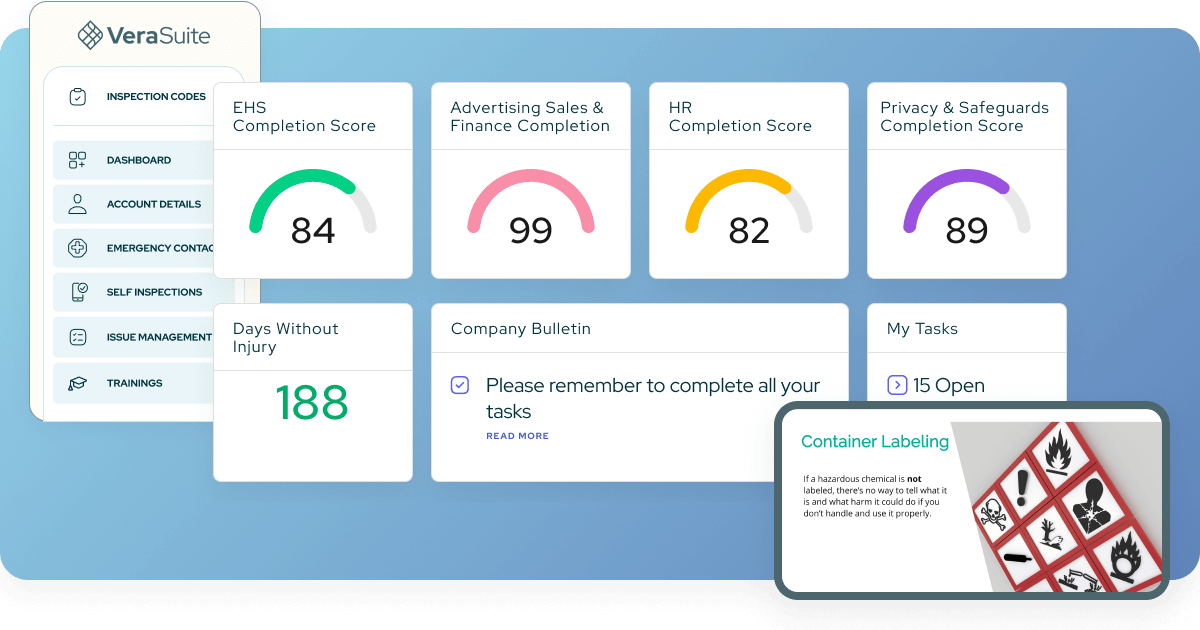
Vera Suite KPA: Unleash Performance.
Introduction
Ever feel like your team is spinning its wheels, working hard but not really *getting* anywhere? Like you’re staring at spreadsheets overflowing with data, but still can’t pinpoint what’s truly driving performance – or holding it back? You’re not alone. Many organizations, big and small, struggle to translate daily efforts into tangible, measurable results. This isn’t just a minor inconvenience; it’s a silent profit-killer.
Explanation of the Problem
In the short term, a lack of clarity around Key Performance Areas (KPAs) and the inability to effectively track progress leads to:
- Wasted Time & Resources: Imagine your sales team focusing on low-yield leads while neglecting high-potential clients, simply because they don’t have clear performance targets.
- Decreased Morale: When employees feel like their hard work goes unnoticed, or worse, contributes to the wrong goals, motivation plummets. This can lead to disengagement, higher turnover, and a toxic work environment.
- Missed Opportunities: A lack of performance visibility can blind you to emerging market trends, innovative strategies, and potential efficiency gains, allowing competitors to steal a march.
But the long-term consequences are even more dire:
- Stagnant Growth: Without a clear roadmap for improvement and a system for monitoring progress, your organization risks being left behind in a rapidly evolving market.
- Reduced Profitability: Inefficiency, wasted resources, and missed opportunities all contribute to lower profit margins, impacting your ability to invest in future growth.
- Erosion of Competitive Advantage: In a world where data is king, the inability to leverage performance insights can leave you vulnerable to more agile, data-driven competitors.
The good news? There’s a solution. The Vera Suite KPA (Key Performance Area) framework provides the tools and methodologies you need to bridge the gap between activity and achievement, unlocking your organization’s full potential.
What is Vera Suite KPA, Anyway?
Think of Vera Suite KPA as your organization’s performance GPS. It’s a structured approach that helps you:
- Define Clear KPAs: Identifying the crucial areas where exceptional performance directly impacts organizational success.
- Establish Measurable Metrics: Setting concrete, quantifiable targets that allow you to track progress accurately.
- Implement Effective Monitoring & Reporting: Creating a system for regularly reviewing performance data and identifying areas for improvement.
- Foster a Culture of Accountability: Empowering employees to take ownership of their performance and contribute to collective goals.
But how does it actually work? Let’s dive into some practical solutions.
Practical Solutions to Unleash Performance with Vera Suite KPA
Here are several approaches you can take to implement Vera Suite KPA effectively, tailored to different organizational needs and contexts:
- The Goal-Oriented Approach:
- Focus: Starting with your overall business objectives and working backward to define KPAs at different levels.
- How it Works: Identify your strategic goals (e.g., Increase market share by 15% within two years). Then, define the key performance areas that directly contribute to achieving that goal (e.g., Sales growth, Customer acquisition cost, Customer retention rate). Finally, set measurable metrics for each KPA (e.g., Increase monthly sales by 5%, Reduce customer acquisition cost by 10%).
- Example: A SaaS company aiming to increase customer lifetime value (CLTV) might define KPAs such as customer onboarding success rate, feature adoption rate, and customer churn rate. They can then track these metrics through Vera Suite KPA dashboards to identify areas needing improvement.
- The Process-Driven Approach:
- Focus: Analyzing your key business processes and identifying KPAs that optimize efficiency and effectiveness.
- How it Works: Map out your core business processes (e.g., Order fulfillment, Product development, Customer support). Identify bottlenecks, inefficiencies, and areas for improvement. Define KPAs that directly impact the performance of these processes (e.g., Order fulfillment time, Product development cycle time, Customer satisfaction score).
- Example: A manufacturing company might focus on optimizing its production process. KPAs could include production output per shift, defect rate, and on-time delivery rate. Vera Suite KPA would allow them to monitor these metrics in real-time, identify potential problems early on, and take corrective action.
- The Employee-Centric Approach:
- Focus: Aligning individual employee goals with overall organizational objectives through clearly defined KPAs.
- How it Works: Communicate your company’s strategic goals to your employees. Work with them to define individual KPAs that contribute to those goals. Ensure that KPAs are specific, measurable, achievable, relevant, and time-bound (SMART). Provide regular feedback and coaching to help employees achieve their targets.
- Example: A marketing manager might have KPAs such as increasing website traffic by 20%, generating 50 qualified leads per month, and improving email open rates by 10%. Regular performance reviews using Vera Suite KPA data would allow them to track progress, identify areas for development, and adjust their strategies accordingly.
- The Data-Driven Approach:
- Focus: Analyzing existing data to identify areas where performance is lagging and defining KPAs to drive improvement.
- How it Works: Leverage your existing data sources (CRM, ERP, marketing automation tools) to identify trends and patterns. Analyze key performance indicators (KPIs) to identify areas where you are underperforming. Define KPAs that address these areas and set measurable targets for improvement.
- Example: A retail company might notice that a particular product category has a significantly lower sales conversion rate than others. They can then define KPAs such as increasing product page views, improving product descriptions, and offering more competitive pricing.
Case Study: Acme Corporation & the Power of Clarity
Acme Corporation, a mid-sized logistics company, was struggling with inconsistent delivery times and rising customer complaints. Before implementing Vera Suite KPA, they lacked clear visibility into their operational performance. After analyzing their processes, they identified key performance areas: on-time delivery rate, fuel consumption per mile, and truck utilization rate.
Using Vera Suite KPA, they set specific targets for each KPA, tracked progress in real-time, and provided regular feedback to their drivers and dispatchers. Within six months, they saw a 15% improvement in on-time delivery, a 10% reduction in fuel costs, and a significant decrease in customer complaints. The key? Clarity and accountability, driven by data-backed insights.
Alternative Solutions and Approaches
While Vera Suite KPA offers a comprehensive framework, here are some alternative or complementary approaches you might consider:
- Balanced Scorecard: This framework considers financial, customer, internal process, and learning & growth perspectives when defining performance metrics.
- Objectives and Key Results (OKRs): OKRs focus on setting ambitious goals and tracking progress through measurable key results.
- Lean Management: This methodology emphasizes eliminating waste and improving efficiency throughout the organization.
The best approach for your organization will depend on your specific needs, goals, and resources. The key is to choose a framework that provides clear performance visibility, promotes accountability, and empowers your team to achieve their full potential.
Conclusion: Empowering Your Performance Journey
Implementing Vera Suite KPA is not just about tracking numbers; it’s about fostering a culture of continuous improvement, empowering your employees, and driving sustainable growth. By taking the time to define clear KPAs, set measurable targets, and monitor progress effectively, you can unlock your organization’s full potential and achieve remarkable results.
Don’t let your team spin their wheels any longer. Take action today. Start by identifying one or two key performance areas that are critical to your organization’s success. Set measurable targets, implement a system for tracking progress, and provide regular feedback to your team. You’ll be amazed at the difference it can make. The journey to high performance starts with a single step. Are you ready to take yours?